Social Media for Restaurants: Complete Guide to Building Your Online Presence
Complete social media for restaurants guide. Learn platform strategies, content ideas, posting schedules, and engagement tactics to grow your restaurant.

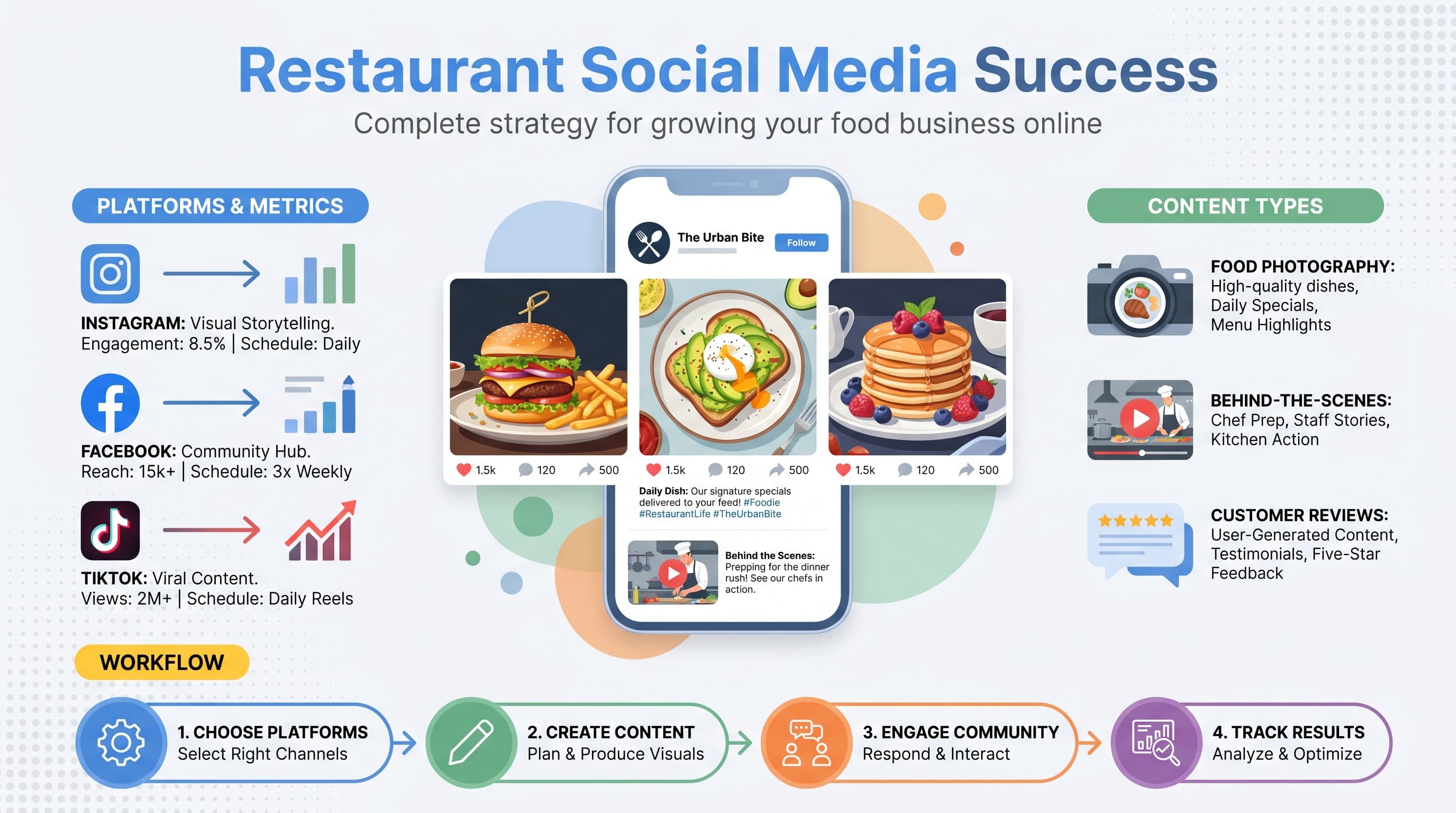
Restaurant social media feels overwhelming when you're juggling orders, staff schedules, and keeping customers happy. But here's the thing: your competitors are posting daily while you're stuck wondering what to share next. Try our Instagram scheduling.
See It in Action
This is what scheduling an Instagram post looks like in Schedulala
This guide covers everything you need to know about social media for restaurants. From choosing the right platforms to creating content that drives reservations, we'll walk through proven strategies that actually work for food businesses. Learn more about cross-platform analytics track 9.
Try Schedulala for free
Schedule posts to Bluesky, Twitter, and 8 other platforms from one dashboard.
Get started for free→Why social media matters for restaurants
Social media drives real business results for restaurants. According to recent industry data, 75% of diners check social media before choosing where to eat. That Instagram post of your signature dish could be the deciding factor between your restaurant and the place next door. Our scheduling across platforms can help.
The numbers tell the story. Restaurants with active social media presence see 33% higher customer retention rates. They also generate more reservations during slow periods and build loyal communities around their brand. Learn more about how to repurpose content.
Direct revenue impact
Social media creates immediate revenue opportunities. A well-timed post about tonight's special can fill empty tables. User-generated content from happy customers acts as authentic advertising that converts better than traditional marketing. Our best time to post on instagram can help.
Local SEO benefits matter too. Active social media profiles improve your Google My Business ranking, making you more visible when people search for restaurants nearby. Our instagram engagement calculator can help.
Building community and loyalty
Social media lets you build relationships beyond the dining room. Regular customers become brand advocates who share your content and recommend you to friends. This organic word-of-mouth marketing is worth more than any paid advertising campaign.
You can also use social media for customer service, addressing concerns quickly and publicly demonstrating your commitment to customer satisfaction.
Choosing the right platforms for your restaurant
Not every social media platform works for every restaurant. Your target audience, restaurant type, and marketing goals determine where you should focus your efforts. Here's how to choose wisely instead of spreading yourself too thin.
Instagram: The visual powerhouse
Instagram works best for restaurants with photogenic food and strong visual branding. If you serve Instagram-worthy dishes or have a unique atmosphere, this platform can drive significant traffic.
Use Instagram for showcasing dishes, behind-the-scenes content, and building aesthetic appeal. Stories work great for daily specials and real-time updates. Reels can go viral and attract new customers from outside your immediate area.
- Best for: Trendy cafes, upscale dining, dessert shops
- Content types: Food photos, behind-the-scenes videos, customer stories
- Posting frequency: 4-7 times per week
- Key features: Stories, Reels, Shopping tags
Facebook: Community building central
Facebook excels at community building and local engagement. The platform's event features work perfectly for special dinners, wine tastings, or holiday celebrations. Facebook's older demographic often has more disposable income for dining out.
Use Facebook for longer-form content, event promotion, and customer service. The platform's local business tools help you connect with nearby customers and build a loyal following.
- Best for: Family restaurants, local establishments, event-focused venues
- Content types: Events, community posts, customer testimonials
- Posting frequency: 3-5 times per week
- Key features: Events, Local business tools, Groups
TikTok: The viral opportunity
TikTok can create explosive growth for restaurants willing to embrace trending content and authentic behind-the-scenes moments. The platform favors creativity over production value, making it accessible for smaller restaurants.
Focus on trending sounds, cooking processes, and staff personality. A single viral TikTok can bring hundreds of new customers, but the platform requires consistent creative output.
- Best for: Casual dining, unique concepts, chef-driven restaurants
- Content types: Cooking videos, trending challenges, staff content
- Posting frequency: 3-5 times per week
- Key features: Trending sounds, Effects, Duets
| Platform | Best Restaurant Type | Primary Benefit | Time Investment |
|---|---|---|---|
| Visual-focused restaurants | Brand building & discovery | High | |
| Local family restaurants | Community & events | Medium | |
| TikTok | Trendy casual dining | Viral growth potential | High |
| News-worthy restaurants | Real-time engagement | Low | |
| Corporate catering | B2B connections | Low |
Content strategy that drives restaurant traffic
Great restaurant content balances promotional posts with engaging, shareable material. The 80/20 rule works well: 80% valuable, entertaining content and 20% direct promotion. This approach builds trust and keeps followers engaged without feeling constantly sold to.
Food photography that converts
Food photography makes or breaks restaurant social media. Natural lighting works better than artificial lighting for most dishes. Shoot during golden hour near windows for the most appetizing results.
Focus on texture, color, and composition. A close-up of melting cheese or steam rising from soup creates more appetite appeal than a distant overhead shot. Include human elements like hands reaching for food to add relatability.
- Use natural light whenever possible
- Shoot from multiple angles to find the most flattering view
- Include garnishes and props that enhance the dish
- Edit for consistency in color and style
- Add movement with videos of pouring, cutting, or stirring
Behind-the-scenes content
Behind-the-scenes content humanizes your restaurant and builds emotional connections with customers. People love seeing the passion and skill that goes into their meals. This content also showcases your team's expertise and dedication.
Show prep work, cooking techniques, and staff interactions. Time-lapse videos of bread baking or sauce preparation perform particularly well. Staff introductions and day-in-the-life content help customers feel connected to your team.
- Early morning prep sessions
- Chef techniques and knife skills
- Staff favorite dishes and recommendations
- Delivery arrivals and ingredient selection
- Cleaning and closing procedures
User-generated content campaigns
User-generated content provides authentic social proof while reducing your content creation workload. Create campaigns that encourage customers to share their experiences while dining at your restaurant.
Develop a branded hashtag and display it prominently in your restaurant. Offer incentives like desserts or discounts for customers who share photos. Always repost user content with permission and proper credit.
- Create a memorable, restaurant-specific hashtag
- Display hashtag instructions on tables or walls
- Offer small rewards for social media shares
- Repost the best customer content to your stories
- Respond to every tagged post with appreciation
Posting schedules that maximize engagement
Timing your posts correctly can double or triple your engagement rates. Restaurant audiences have predictable patterns based on meal times, work schedules, and weekend plans. Understanding these patterns helps you reach customers when they're most likely to engage and make dining decisions.
Optimal posting times by platform
Instagram engagement peaks during lunch hours (11 AM - 1 PM) and evening planning time (5 PM - 7 PM). Tuesday through Thursday typically see the highest engagement rates, with Sunday also performing well as people plan their week.
Facebook works best during evening hours when people browse social media at home. Wednesday through Friday posts perform strongest, particularly between 6 PM - 9 PM when people make weekend dining plans.
TikTok engagement stays relatively consistent throughout the day but peaks during commute times and lunch breaks. The platform's algorithm favors recency, so posting when your audience is most active matters more than on other platforms.
| Platform | Best Days | Peak Times | Posting Frequency |
|---|---|---|---|
| Tue-Thu, Sun | 11 AM-1 PM, 5-7 PM | 4-7 times/week | |
| Wed-Fri | 6-9 PM | 3-5 times/week | |
| TikTok | Mon-Wed | 9 AM, 12 PM, 7 PM | 3-5 times/week |
| Wed-Fri | 12-3 PM | 1-2 times/day | |
| Tue-Thu | 7-9 AM | 2-3 times/week |
Content calendar planning
Plan your content calendar around your restaurant's schedule and seasonal offerings. Map out daily specials, seasonal menu changes, and local events that might affect dining patterns.
Create themed content days to maintain consistency while reducing decision fatigue. Monday menu reveals, Wednesday behind-the-scenes content, and Friday weekend specials create anticipation among followers.
- Monday: New menu items or weekly specials
- Tuesday: Customer spotlights or reviews
- Wednesday: Behind-the-scenes kitchen content
- Thursday: Staff picks and recommendations
- Friday: Weekend specials and event promotions
- Saturday: Live updates and real-time content
- Sunday: Community involvement and local partnerships
Seasonal and event-based posting
Align your content with seasons, holidays, and local events to stay relevant and timely. Summer content should emphasize refreshing dishes and outdoor seating, while winter posts can focus on comfort foods and cozy atmosphere.
Monitor local events, sports schedules, and community happenings. Post special offers during big games or create themed content around local festivals to attract event attendees.
Try Schedulala for free
Schedule posts to Bluesky, Twitter, and 8 other platforms from one dashboard.
Get started for free→Building engagement and community
Engagement transforms followers into customers and customers into advocates. Successful restaurant social media creates genuine connections rather than just broadcasting promotional content. This community-building approach generates long-term value that far exceeds simple advertising metrics.
Responding to comments and messages
Quick response times demonstrate excellent customer service and encourage future engagement. Aim to respond to comments within 2-4 hours during business hours. Even simple 'thank you' responses show appreciation and keep conversations active.
Develop a consistent voice that matches your restaurant's personality. Friendly and professional works for most restaurants, but casual establishments can be more playful in their responses. Always address concerns publicly when possible to show transparency.
- Respond to every comment, even simple ones
- Address complaints professionally and publicly
- Ask follow-up questions to extend conversations
- Use the commenter's name when responding
- Share additional details about mentioned dishes or experiences
Creating interactive content
Interactive content generates higher engagement rates and provides valuable insights about your audience preferences. Polls, questions, and contests encourage active participation rather than passive scrolling.
Instagram Stories polls work perfectly for menu decisions or ingredient preferences. Facebook events for special dinners create anticipation and help gauge interest. TikTok challenges can go viral and bring new customers.
- 'This or that' polls for menu items
- Recipe guessing games with behind-the-scenes videos
- Caption contests for food photos
- Virtual cooking challenges using your recipes
- Q&A sessions with chefs or owners
Collaborating with local influencers
Local influencers often provide better ROI than celebrity endorsements for restaurants. Micro-influencers with 1,000-10,000 engaged local followers can drive significant traffic at reasonable costs.
Focus on food bloggers, local lifestyle influencers, and community leaders rather than follower counts alone. Authentic enthusiasm for your restaurant matters more than massive reach.
- Partner with local food bloggers and reviewers
- Invite lifestyle influencers for special dining experiences
- Collaborate with local business owners for cross-promotion
- Work with food photographers for professional content
- Connect with local event planners and party organizers
Managing online reviews and reputation
Online reviews directly impact your restaurant's success. Studies show that a one-star increase in Yelp ratings can increase revenue by 5-9%. Social media plays a crucial role in review management and reputation building.
Proactive review generation
Don't wait for reviews to happen naturally. Create systems that encourage satisfied customers to share their experiences online. Train staff to mention review platforms during exceptional service moments.
Use social media to remind customers about review opportunities. Share positive reviews in your stories and posts to encourage others to leave feedback. Make the review process as simple as possible by providing direct links.
- Include review links in social media bios
- Share positive reviews with permission
- Create QR codes linking to review platforms
- Train staff to mention reviews during great interactions
- Follow up with customers on social media after visits
Handling negative feedback publicly
Respond to negative reviews and comments quickly and professionally. Public responses show potential customers that you care about feedback and work to resolve issues. This transparency often converts negative situations into positive demonstrations of customer service.
Always acknowledge the concern, apologize for the poor experience, and offer to make things right. Move detailed discussions to private messages, but ensure the public sees your initial professional response.
- Respond within 24 hours to negative feedback
- Acknowledge the specific issue mentioned
- Apologize sincerely without making excuses
- Offer to resolve the situation offline
- Follow up publicly when issues are resolved
Showcasing positive feedback
Positive reviews and social media mentions provide powerful social proof. Share testimonials, positive comments, and review highlights across your social media platforms. This content builds trust and encourages new customers to visit.
Create visually appealing graphics featuring positive review quotes. Tag customers who leave great reviews (with permission) to strengthen relationships and encourage more feedback from others.
Common social media mistakes restaurants make
Even well-intentioned restaurant social media efforts can backfire without proper strategy. These common mistakes waste time, money, and opportunities while potentially damaging your restaurant's reputation.
Over-promoting without providing value
The biggest mistake restaurants make is treating social media like a billboard. Constant promotional posts about specials and events without entertaining or educational content causes followers to tune out or unfollow.
Instead, follow the 80/20 rule: 80% valuable content (recipes, behind-the-scenes, customer stories) and 20% direct promotion. This balance keeps followers engaged while still driving business results.
Inconsistent posting and abandoning accounts
Starting strong then posting sporadically hurts your social media presence more than not posting at all. Algorithms favor consistent accounts, and customers notice when restaurants go silent for weeks.
Create realistic posting schedules you can maintain long-term. Better to post three times per week consistently than daily for a month then disappear.
Ignoring comments and messages
Social media is social. Posting content without engaging with responses treats platforms like traditional advertising rather than community building. Unanswered questions and ignored comments signal poor customer service.
Set aside time daily for social media engagement. Respond to comments, answer questions, and acknowledge feedback. This interaction often matters more than the original posts.
Poor food photography
Unappetizing food photos damage your restaurant's image more than no photos at all. Harsh lighting, poor composition, and messy presentation make even great dishes look unappetizing.
Invest time in learning basic food photography or hire a professional photographer periodically. Natural lighting, proper plating, and consistent editing style make dramatic differences in food appeal.
- Posting blurry or poorly lit food photos
- Sharing content without checking spelling and grammar
- Forgetting to include location tags and relevant hashtags
- Copying competitors' content instead of developing unique voice
- Neglecting to backup and archive important content
- Posting during peak service times when you can't engage
- Using too many platforms without mastering any single one
Tools and resources for restaurant social media
The right tools streamline your social media efforts and help maintain consistency without overwhelming your restaurant operations. These resources handle scheduling, content creation, and analytics so you can focus on running your restaurant.
Social media scheduling platforms
Scheduling tools let you prepare content in advance and maintain consistent posting without daily manual work. This approach ensures your social media stays active even during busy service periods or staff changes.
Look for platforms that support multiple social networks, offer analytics, and include team collaboration features. Some tools also provide content suggestion features specifically designed for restaurants.
- Schedulala for comprehensive social media scheduling
- Later for visual content planning
- Hootsuite for team collaboration
- Buffer for simple scheduling needs
- Sprout Social for advanced analytics
Content creation resources
Creating professional-looking content doesn't require expensive equipment or design skills. These tools help restaurants produce engaging graphics, edit photos, and create videos that match professional standards.
- Canva for social media graphics and templates
- VSCO or Lightroom for photo editing
- InShot for quick video editing
- Unsplash for stock photography
- Google Fonts for consistent typography
Analytics and monitoring tools
Understanding what content works helps you refine your strategy and improve results over time. These analytics tools provide insights about your audience, engagement patterns, and content performance.
- Native platform analytics (Instagram Insights, Facebook Analytics)
- Google Analytics for website traffic from social media
- Mention for brand monitoring and reputation management
- Google My Business insights for local engagement
- Yelp for Business for review management
Try Schedulala for free
Schedule posts to Bluesky, Twitter, and 8 other platforms from one dashboard.
Get started for free→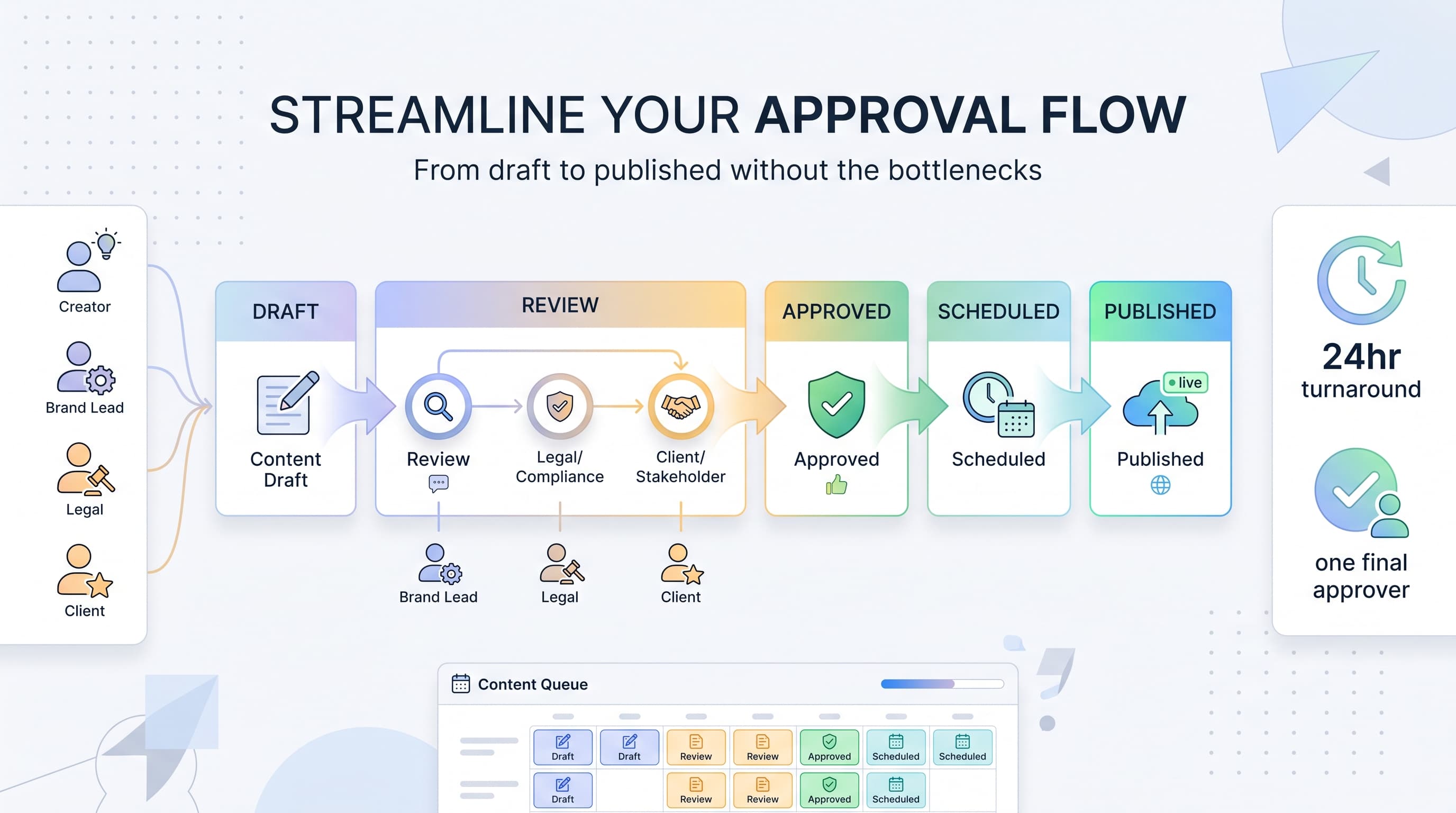
![Social Media Proposal Template [Free Download] - Win More Clients](/_next/image?url=%2Fblog%2Fsocial-media-proposal-template%2Fheader.jpeg&w=3840&q=75&dpl=dpl_6RiKV7dz1EjMEbYgqheh1pc2YPwv)