Social Media Coordinator Job Description: Roles, Skills, Salary, and a Free Template
A complete social media coordinator job description with responsibilities, skills, salary ranges, and a ready-to-use template for hiring or job hunting.


If you've ever tried to write a job description for a social media coordinator, you've probably ended up with a bloated list that reads more like "social media manager, graphic designer, copywriter, and customer service rep" all crammed into one title. That's a problem. It leads to mismatched expectations, burned-out hires, and candidates who apply then bail three weeks in. Our TikTok scheduling can help.
See It in Action
This is what scheduling a TikTok post looks like in Schedulala
This guide breaks down what a social media coordinator actually does, how the role differs from a social media manager or specialist, what skills matter most, what the job pays in 2026, and a full job description template you can copy and adjust. Whether you're hiring your first coordinator or applying for the role, this is the reference you need. See our cross-platform analytics track 11 guide.
Try Schedulala for free
Schedule posts to Bluesky, Twitter, and 8 other platforms from one dashboard.
Get started for free→What is a social media coordinator?
A social media coordinator is the person who keeps the day-to-day social media engine running. They schedule posts, respond to comments and DMs, track basic performance metrics, and support the broader marketing team by executing the content calendar someone else usually sets strategy for. Learn more about social media content approval.
This is typically an entry-to-mid level role. Coordinators report to a social media manager, marketing manager, or director of marketing (depending on company size). In smaller companies, the coordinator might be the only person touching social media day to day, which blurs the line between "coordinator" and "manager" fast. That's one reason job titles in this field get messy: a startup's "coordinator" might be doing a corporation's "manager" job, just without the budget authority or the title bump. See our scheduling across platforms guide.
At its core, the role is about execution, not strategy. A coordinator takes the plan (content pillars, brand voice, campaign calendar) and turns it into scheduled, published, and monitored posts across every platform the brand uses. Good coordinators also flag what's working, which matters more when you're managing a dozen or more accounts across multiple platforms. Our best time to post on tiktok can help.
Core responsibilities of a social media coordinator
1. Content scheduling and publishing
The bread and butter of the job. This means taking approved content (copy, images, video, graphics) and getting it live at the right time on the right platform. Most coordinators manage this through a scheduling tool rather than posting manually, because doing it manually across multiple accounts is a recipe for missed posts and inconsistent timing. Try our tiktok engagement calculator.
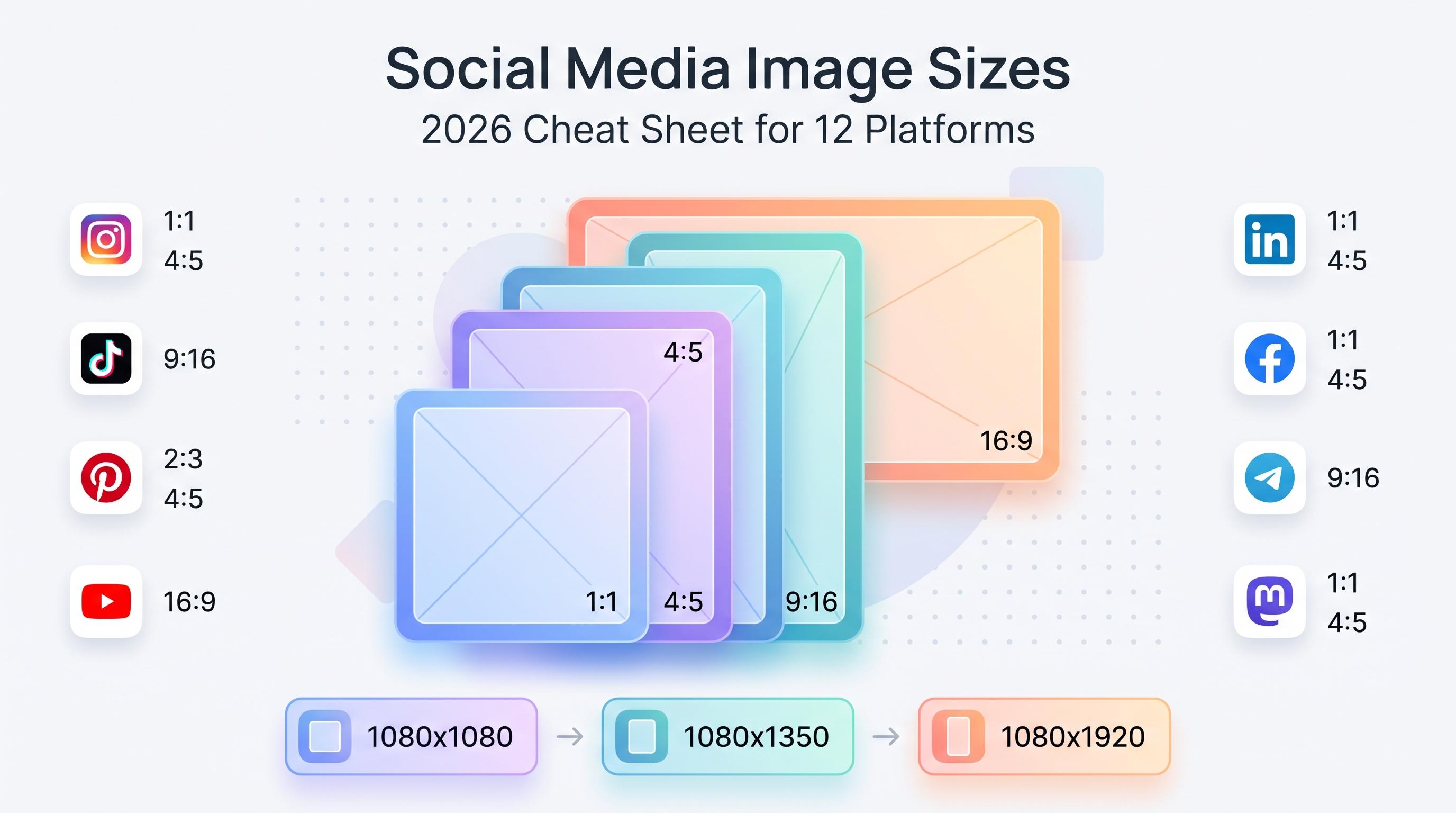
A coordinator working across Instagram, TikTok, LinkedIn, Facebook, and Threads for even one brand is juggling five different posting windows, five different content formats, and five different audience expectations. Add a second or third client (common in agency settings) and manual posting becomes a full-time job of copy-pasting instead of actual strategy work.
2. Community management and engagement
Replying to comments, answering DMs, flagging negative sentiment to the right person, and generally being the voice of the brand in real time. This is often the most underestimated part of the job. A brand with an active following can generate hundreds of comments a day, and a slow or tone-deaf response can turn into a bigger problem than a missed post ever would.
3. Content calendar management
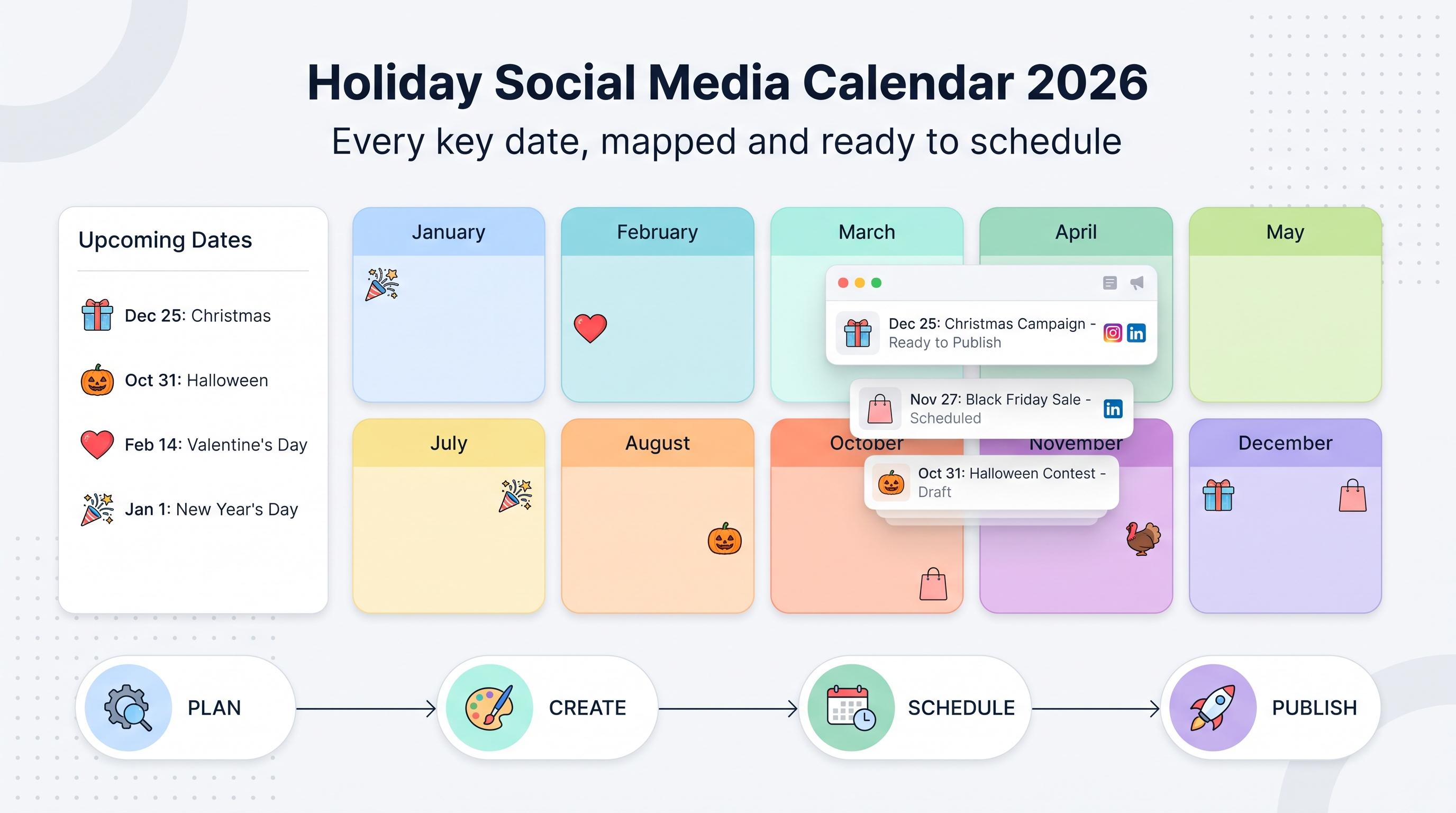
Coordinators usually own the calendar itself, even if they don't set the strategy behind it. That means tracking deadlines, coordinating with designers or copywriters for assets, making sure campaigns launch on time, and keeping everyone aligned on what's going out and when.
4. Performance tracking and basic reporting
Pulling weekly or monthly numbers: engagement rate, follower growth, top-performing posts, reach. A coordinator typically isn't expected to build deep analytical models, but they should know how to read the data well enough to say "Reels are outperforming static posts by 3x this month" and act on it.
5. Light content creation
Many coordinators also shoot quick video, write captions, resize graphics for different platforms, or source stock assets. The level of creative involvement varies a lot by company. Some coordinators are glorified schedulers, others are doing 80% of the creative work with none of the creative director title.
6. Cross-team coordination
This is the "coordinator" part of the title in action. They're looping in customer support on a product issue blowing up in the comments, working with PR on crisis messaging, or syncing with sales on a product launch date. The role sits at the intersection of marketing, support, and comms.
Required skills and qualifications
Most job postings for this role ask for a bachelor's degree in marketing, communications, or a related field, though plenty of coordinators get hired based on a strong portfolio and real platform experience instead. What actually matters:
- Platform fluency - knowing the difference between what works on TikTok versus LinkedIn versus Pinterest, not just how to press publish on each
- Writing skills - short-form copy that fits a brand voice, across captions, comment replies, and ad copy
- Basic design or video skills - Canva, CapCut, or Adobe Express proficiency is common; heavier design work is usually handed off to a designer
- Scheduling tool experience - comfort with a platform like Schedulala, including bulk scheduling, content calendars, and approval workflows
- Analytics literacy - reading native platform insights plus whatever reporting tool the company uses
- Organization under pressure - this job involves a lot of small moving parts and tight deadlines, often several campaigns running at once
- Customer service instincts - responding to the public requires patience and the ability to de-escalate without sounding scripted
Soft skills matter more than people expect. A coordinator with mediocre design chops but sharp judgment about tone and timing will outperform a highly polished creative who panics when a post gets dragged in the comments. This is a role that requires composure as much as creativity.
Social media coordinator vs. manager vs. specialist
These titles get used interchangeably, which causes confusion for both hiring managers and job seekers. Here's a practical breakdown of how they typically differ.
| Role | Focus | Typical experience | Reports to |
|---|---|---|---|
| Social media coordinator | Execution: scheduling, posting, community management, basic reporting | 0-2 years | Social media manager or marketing manager |
| Social media specialist | A narrower technical focus: paid social, platform-specific content, or analytics | 1-3 years | Social media manager |
| Social media manager | Strategy, calendar ownership, budget, campaign planning, team management | 3-5+ years | Marketing director or CMO |
In practice, a lot of small businesses and startups skip straight to hiring a "social media manager" when the actual day-to-day work is coordinator-level, because they only have budget for one hire and need someone who can do everything. If that's your situation, be honest in the job posting about what the role actually involves. Candidates will figure it out in the interview anyway, and a mismatched title just creates resentment six months in.
Social media coordinator salary expectations (2026)
Pay varies a lot by location, company size, and whether the role is in-house, agency, or freelance. Rough national benchmarks for the US as of 2026:
- Entry-level (0-1 year experience): $38,000 to $48,000/year
- Mid-level (1-3 years experience): $45,000 to $58,000/year
- Agency coordinators managing multiple clients: often trends 10-15% higher due to the account volume and client-facing pressure
- Freelance/contract coordinators: commonly $20 to $40/hour depending on scope and platform count
Agencies tend to pay more per hour but expect coordinators to juggle more accounts simultaneously, sometimes five to ten client brands at once. If you're interviewing for an agency role, ask directly how many accounts you'd be responsible for and what the tooling setup looks like. A coordinator managing ten brands on native apps alone is set up to fail; one using a scheduling platform with a shared calendar and bulk upload is in a much better position.
Social media coordinator job description template
Here's a template you can copy, trim, and adjust based on your company's size and needs. Fill in the bracketed sections.
Job title: Social media coordinator
About the role: We're looking for a social media coordinator to manage day-to-day execution across our social channels. You'll work closely with [marketing manager/social media manager] to schedule content, engage with our community, and track performance across [list platforms].
Responsibilities:
- Schedule and publish content across [Instagram, TikTok, LinkedIn, Facebook, etc.] according to the approved content calendar
- Monitor and respond to comments, messages, and mentions within [X hours]
- Track weekly performance metrics and flag trends to the marketing team
- Coordinate with designers, copywriters, and other teams to gather assets ahead of deadlines
- Support paid social campaigns by [scheduling boosted posts / pulling creative / reporting on ad performance]
- Stay current on platform updates, trends, and format changes across all channels
Requirements:
- 0-2 years of experience in social media, marketing, or communications
- Strong written communication skills and comfort writing in a brand voice
- Familiarity with scheduling tools (we use [tool name])
- Basic design/video editing skills (Canva, CapCut, or similar) a plus
- Comfortable juggling multiple deadlines and platforms simultaneously
Compensation: $[range]/year, based on experience. [Add benefits, remote/hybrid info, and reporting structure here.]
Tools every social media coordinator should know
Coordinators live inside a handful of tools every single day. If you're hiring, knowing what these tools do helps you ask better interview questions. If you're job hunting, listing specific tool experience (not just "social media management software") makes your resume stand out.
- Scheduling and publishing platforms - tools like Schedulala let coordinators plan and queue content across all 12 major platforms (Instagram, TikTok, Twitter/X, LinkedIn, YouTube, Facebook, Threads, Bluesky, Pinterest, Telegram, Mastodon, and Google Business Profile) from one calendar instead of logging into each app separately
- Design tools - Canva, CapCut, Adobe Express for quick graphic and video edits
- Analytics dashboards - native platform insights plus whatever reporting layer the company uses to roll metrics up for leadership
- Project management tools - Asana, Trello, or Notion for tracking content approvals and deadlines
- Community management inboxes - unified inboxes that pull comments and DMs from multiple platforms into one view, which saves a huge amount of time compared to checking each app individually
The biggest time sink for a coordinator managing multiple accounts is platform-hopping: logging into Instagram to post, then TikTok, then LinkedIn, then checking comments on all three, then repeating the next day. A coordinator at a 10-account agency who switches tools instead of apps gets hours back every week, and those hours usually go straight into better community management or faster turnaround on client requests.
On Schedulala specifically, every plan (Personal at $29/month for 10 accounts, Team at $49/month for 25 accounts, or Agency at $99/month for 100 accounts) includes unlimited scheduled posts. That matters for coordinators because post volume shouldn't be the thing limiting how often a brand shows up. Accounts can also be split across platforms in any combination, so a coordinator managing five clients each with two platforms doesn't need to worry about hitting a per-platform cap.
Common mistakes when writing or taking this job
Mistake 1: Writing a job description that's really three jobs
If the posting asks for strategy, paid media management, graphic design, video production, community management, and reporting, you're not hiring a coordinator. You're hiring a one-person marketing department and paying coordinator wages. This leads to high turnover and bad reviews on Glassdoor.
Mistake 2: No clear escalation path
Coordinators deal with public comments, and some of those comments are going to be angry customers, trolls, or legitimate crises. A job description (and onboarding process) should spell out exactly when to escalate to a manager versus handle it independently. Without that, coordinators either escalate everything (annoying) or nothing (risky).
Mistake 3: Underestimating the tooling budget
Hiring a coordinator and then expecting them to manage 8 accounts through native apps with no scheduling tool is setting them up to fail. The cost of a scheduling platform is usually a fraction of the coordinator's salary, and it's the difference between them spending time on strategy versus spending time copy-pasting captions at 9pm.
Mistake 4: Vague growth path
Good coordinators want to grow into manager or specialist roles. If there's no clear path (more platform ownership, campaign leadership, eventual title change), expect to lose strong hires within 12-18 months once they've built up enough experience to get the title upgrade somewhere else.
Interview questions that actually reveal coordinator skill
If you're hiring, skip the generic "tell me about your experience with social media" opener. Try these instead:
- "A post gets 40 negative comments in an hour. Walk me through what you do in the first 15 minutes." (Tests judgment under pressure and knowledge of escalation)
- "You're managing five accounts and two are launching campaigns the same week. How do you prioritize?" (Tests organization and time management)
- "Pull up your phone and show me a post you'd write differently for TikTok versus LinkedIn, same core message." (Tests platform fluency, which can't be faked)
- "What's a metric you'd ignore even if it looked good?" (Tests analytical maturity beyond vanity metrics like follower count)
Candidates who can answer the TikTok/LinkedIn question with specifics, not generic platform trivia, are usually the ones who've actually done the job rather than just studied it from a course.
The bottom line
A social media coordinator job description works best when it's honest about scope: execution-focused, platform-specific, with clear escalation rules and realistic pay for the account volume involved. Whether you're writing the posting or applying to one, the details matter more than the title. A "coordinator" at one company might be doing manager-level work, and a "manager" somewhere else might just be a coordinator with a nicer title and the same workload.
Try Schedulala for free
Schedule posts to Bluesky, Twitter, and 8 other platforms from one dashboard.
Get started for free→